
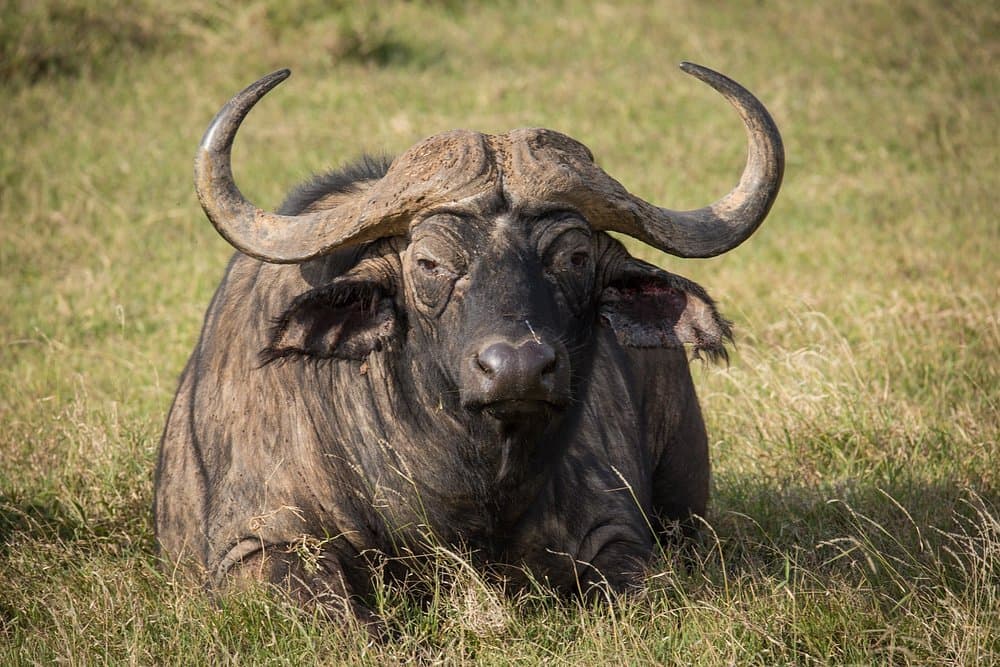

One of the most confusing choices in Kenyan safari planning is the question of private conservancy versus national park. Both terms appear in itineraries and brochures; both describe wildlife areas with the same animals. But the experience inside them is meaningfully different — in rules, atmosphere, vehicle limits and what you are permitted to do.
What is a national reserve or national park?
National parks (like Amboseli, Tsavo and Lake Nakuru) and national reserves (like the Masai Mara National Reserve) are government-managed protected areas open to all licensed operators. Park fees are paid per person per day and vehicles are limited by the park boundary, not by visitor numbers. During peak season, popular areas inside the Masai Mara National Reserve — particularly the river crossing points — can host dozens of vehicles simultaneously.
What is a private conservancy?
A private conservancy is a community-owned wildlife area adjacent to or surrounding a national reserve, managed under a partnership between local Maasai communities and safari operators. The Masai Mara ecosystem has a ring of conservancies — Olare Motorogi, Naboisho, Mara North, Ol Kinyei and others — that together cover an area larger than the national reserve itself.
Access is restricted: only lodges and camps within each conservancy can operate there, and each conservancy limits the number of vehicles it permits. A conservancy that can support 40 beds might run 12 vehicles on any given morning. The reserve at the same time might have 200.
What you can do differently in a conservancy
- Off-road driving: Guides in private conservancies can leave the track to approach animals — following a cheetah hunt, positioning for a lion pride, getting closer to a rhino. Inside the national reserve, you must stay on the track.
- Night game drives: Permitted in conservancies; prohibited in the national reserve. Night drives access a completely different cast of animals — aardvark, serval, civets, leopard hunting in the dark.
- Walking safaris: Guided bush walks with an armed ranger. Completely prohibited in the national reserve; permitted and common in most conservancies.
- Solitude: A conservancy guest may spend a morning game drive without seeing another vehicle. A reserve guest in August may share crossing points with 50 others.
The cost difference
Conservancy access comes at a premium. Conservancy fees (typically $80–$150 per person per night) are charged on top of national reserve entry fees, and the lodges within conservancies tend to operate at mid-range to luxury price points. Budget safaris typically run inside the national reserve. The conservancies are where the most exclusive Mara experience — and the highest per-day costs — are found.
If you are visiting the Mara only once, and if budget allows, a conservancy is the experience worth choosing. The off-road access and the solitude are not marginal differences — they fundamentally change what you see and how you see it.
Can you combine both?
Yes, and this is common. Some itineraries base guests in a conservancy for most of the stay and drive into the national reserve specifically to access the river crossing areas during migration season. The flexibility of a private vehicle makes this straightforward to arrange.
We operate in the main Mara conservancies and can advise on which suits your group and dates. See the Kenya packages →
Comments
Leave a reply
Your email address will not be published. Required fields are marked *. Please keep discussions respectful — see our community guidelines.