
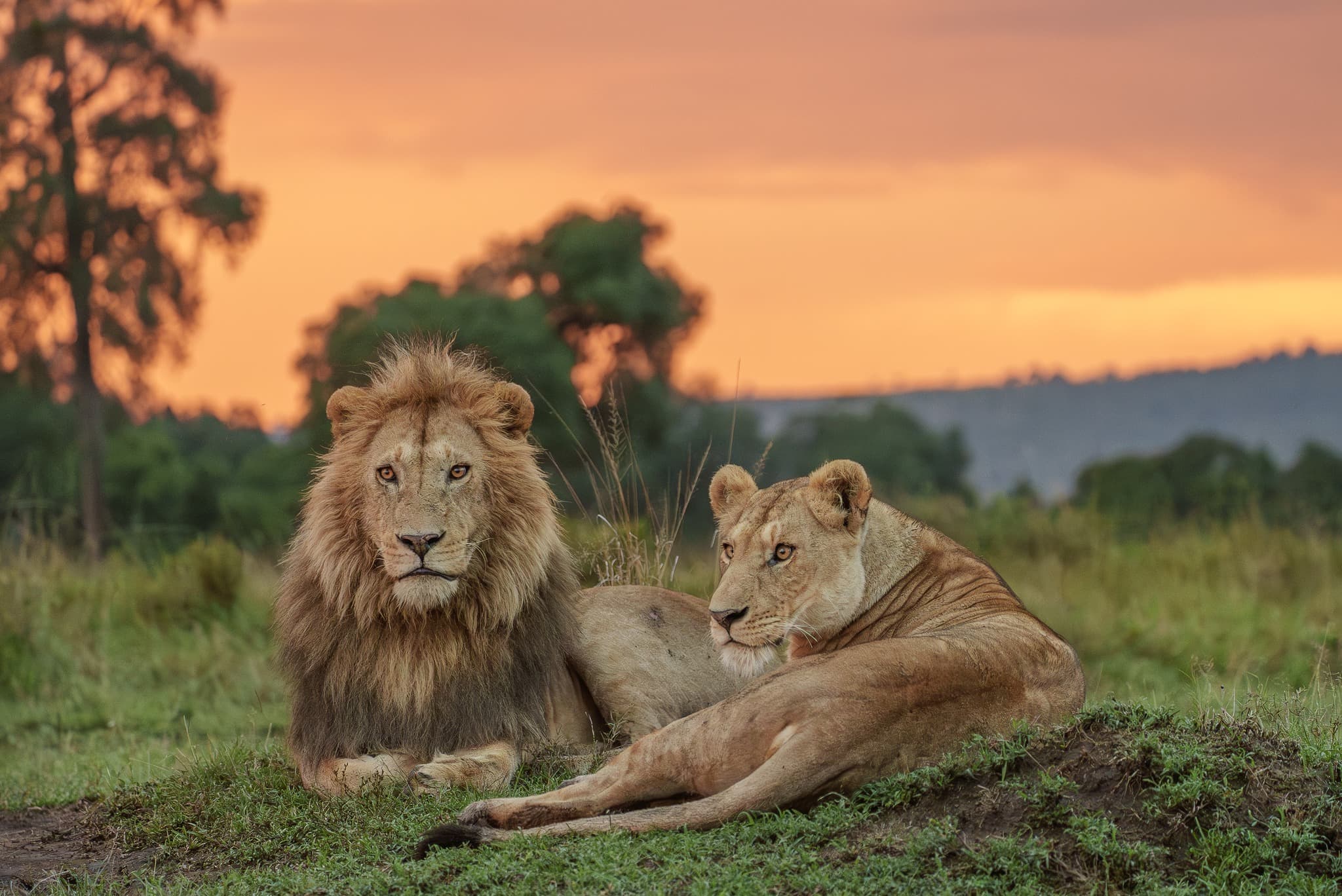

Solo travel on safari is more common than most people realise, and the experience of going alone is different from a group trip in ways that many solo travellers find they actively prefer. The absence of compromise — on timing, on pace, on where you stop and for how long — creates a freedom that changes the texture of the trip significantly.
It also raises some practical questions that are worth addressing directly.
The single supplement
This is the most common concern among solo safari travellers, and the most legitimate one. Most lodges in East Africa charge a single supplement — an additional fee for occupying a double room alone — that typically ranges from 25% to 50% of the per-person shared rate. On a luxury trip, this adds meaningful cost. On a budget group trip, it may not apply at all.
There are ways to manage this: choosing camps that waive or reduce the supplement, timing travel to periods when the lodge can room you with another solo traveller, or simply building it into the budget as the cost of total privacy and flexibility. We are transparent about where the supplement applies and where it can be avoided.
Private vehicle vs joining a shared game drive
The question that shapes the solo safari experience most is vehicle configuration. A private vehicle means you set the agenda entirely — you can stay at a sighting as long as you want, leave when you want, take whatever route your guide recommends. A shared group vehicle means lower cost and, potentially, good company — but you are subject to the preferences and energy levels of others.
For solo travellers who are used to being social and enjoy conversation, a shared group vehicle on a budget or mid-range trip can be a genuinely good experience. For those who prefer control, or who are travelling to photograph seriously, a private vehicle is worth the premium even at some financial stretch.
Safety
Solo safari in East Africa is very safe, provided you are travelling with a reputable operator and following the guides' instructions in the parks. The risks that concern solo travellers in urban or independent travel contexts — navigating unfamiliar cities, managing transport — are largely absent in a guided safari format. You are with a professional guide at all times in the parks, and airport and camp transfers are organised end-to-end.
Nairobi, Kampala and Kigali each have areas that require the same common sense as any major city — don't walk in unfamiliar neighbourhoods after dark, use booked transfers rather than unmarked taxis. We brief every solo traveller on the specifics for their itinerary and are reachable at all times during the trip.
The experience of solitude in the bush
There is something particular about watching a lion hunt alone — without needing to react to someone else's excitement, without managing a shared experience, with just your own attention and the animal in front of you. Many of our most loyal returning clients are solo travellers who discovered on their first trip that the absence of company amplified the experience rather than diminishing it.
The people who travel solo are often the people who end up loving the bush most deeply. Without someone else's experience to manage, you have no choice but to be fully present in your own.
Meeting other travellers
Camps and lodges are natural social environments. Dinner is usually communal; evening drinks by the fire invite conversation. The people you meet at a small bush camp are almost always interesting — the circumstances that bring someone to a remote camp in East Africa tend to produce good dinner company. Solo travellers who want company almost always find it.
We plan solo safaris regularly and know which itineraries and lodges work best for solo travellers in every budget category. Tell us you're travelling solo →

Comments
Leave a reply
Your email address will not be published. Required fields are marked *. Please keep discussions respectful — see our community guidelines.