
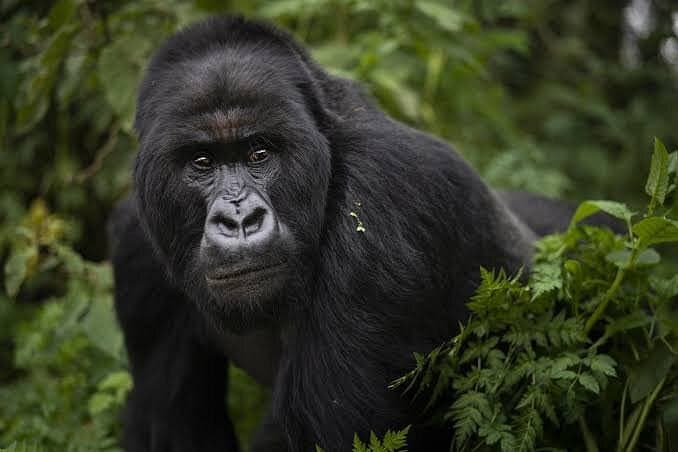

Rwanda is a year-round destination in the sense that gorilla trekking is never suspended, wildlife is always present in the parks, and Kigali is always accessible. But the season you choose changes conditions significantly — the trail difficulty in Volcanoes National Park, the game viewing quality in Akagera, and the forest experience in Nyungwe. Here is the honest breakdown by season and by park.
The two dry seasons
June–September (long dry season)
This is Rwanda's peak safari season and, for most visitors, the best time to go. In Volcanoes National Park, the dry conditions firm up the forest trails, making gorilla trekking significantly more manageable — less mud, less slipping, better visibility through the undergrowth. Akagera National Park's grasslands dry out and animals concentrate around the remaining waterholes and the lakeshore, making game drives more productive. Nyungwe Forest is drier but the canopy walkway is always accessible.
This is also the busiest and most expensive season. Rwanda's gorilla permits sell out 6–9 months in advance for June–September dates. Book as early as possible.
December–February (short dry season)
A shorter dry window, but conditions in all three parks are good. Volcanoes trails are accessible, Akagera game viewing is solid, and this is the beginning of the Rwandan rainy season transition — brief afternoon showers are possible, but mornings are typically clear. Permit availability is better than peak season; prices are lower. This is the secondary best time to visit and a quieter, often better-value alternative to the June–September rush.
The wet seasons
March–May (long rains)
The heaviest and most sustained rains of the year. Volcanoes National Park trails become demanding — sometimes seriously so — with deep mud, dense undergrowth and difficult visibility. Gorilla trekking does not stop (the gorillas are there regardless of weather), but the physical demands increase considerably. Akagera is lush and beautiful, though some tracks become impassable. Nyungwe is extraordinarily green, with birding at its best. Prices drop and visitor numbers fall significantly.
October–November (short rains)
Briefer and less predictable than the long rains. Showers tend to fall in the afternoons and evenings, leaving mornings clear. Gorilla trekking conditions are reasonable though trails are damp. This is a shoulder season — not the best, not the worst, and often a good value window for those who cannot travel in the peak months.
Gorilla trekking specifically: does season matter?
Yes and no. The gorillas are in the forest in every season — they do not migrate and trekking is never suspended. What changes is the trail difficulty. A dry-season trek involves steep slopes, dense forest and bamboo — physically demanding but manageable for any reasonably fit traveller. A wet-season trek involves all of the above plus significant mud, which adds difficulty and requires gaiters, waterproof layers and a degree of determination. Porters become particularly valuable in wet conditions.
The encounter itself — the one hour with the gorilla family — is unchanged by season. The gorillas are equally extraordinary in the rain.
Akagera National Park: the dry season advantage
Akagera is at its best in the dry season (June–September and January–February) when animals concentrate at water points and the grasslands open up for visibility. This is when lion sightings are most reliable and the park's black rhino and elephant are most accessible. Akagera in the wet season is lush but the long grass dramatically reduces game viewing quality.
My personal recommendation for a first Rwanda trip is June or July — dry trails in Volcanoes, reliable Akagera game drives, and the quiet before the August peak. The combination of the three parks in a single week is one of the most compact and varied wildlife circuits in Africa.
We arrange Rwanda permits, lodges and logistics across all three parks. See the Rwanda packages →

Comments
Leave a reply
Your email address will not be published. Required fields are marked *. Please keep discussions respectful — see our community guidelines.