

East Africa is one of the world's great family holiday destinations — and an early safari is one of the experiences that children remember for the rest of their lives. The questions are practical ones: which parks work for children, what minimum ages apply, and how to make sure the trip works as well for a seven-year-old as for the adults.
Minimum ages
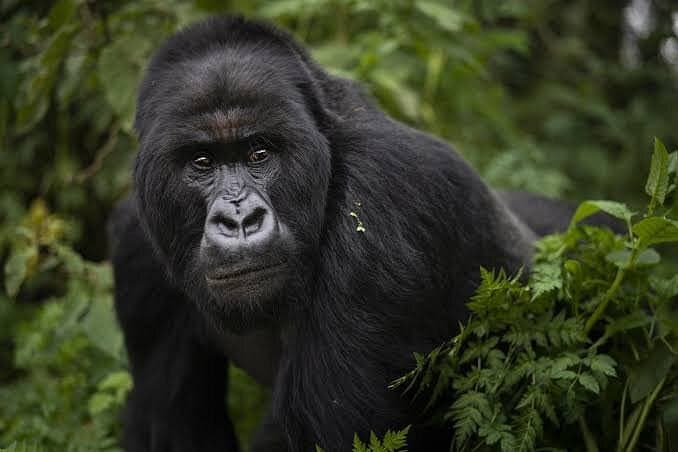
For standard game drive safaris, most lodges accept children from 5 or 6 years old, and some from younger with a private vehicle. Gorilla trekking has a minimum age of 15, set by the Ugandan and Rwandan wildlife authorities. Walking safaris vary by operator — some accept children from 12, others require 16+. If you are travelling with young children, confirm the age policy with each lodge before booking.
The best parks for families
- Masai Mara, Kenya — excellent for families. Easy game viewing, high lion and big-cat density, well-developed lodges with swimming pools, and drives short enough that children stay engaged.
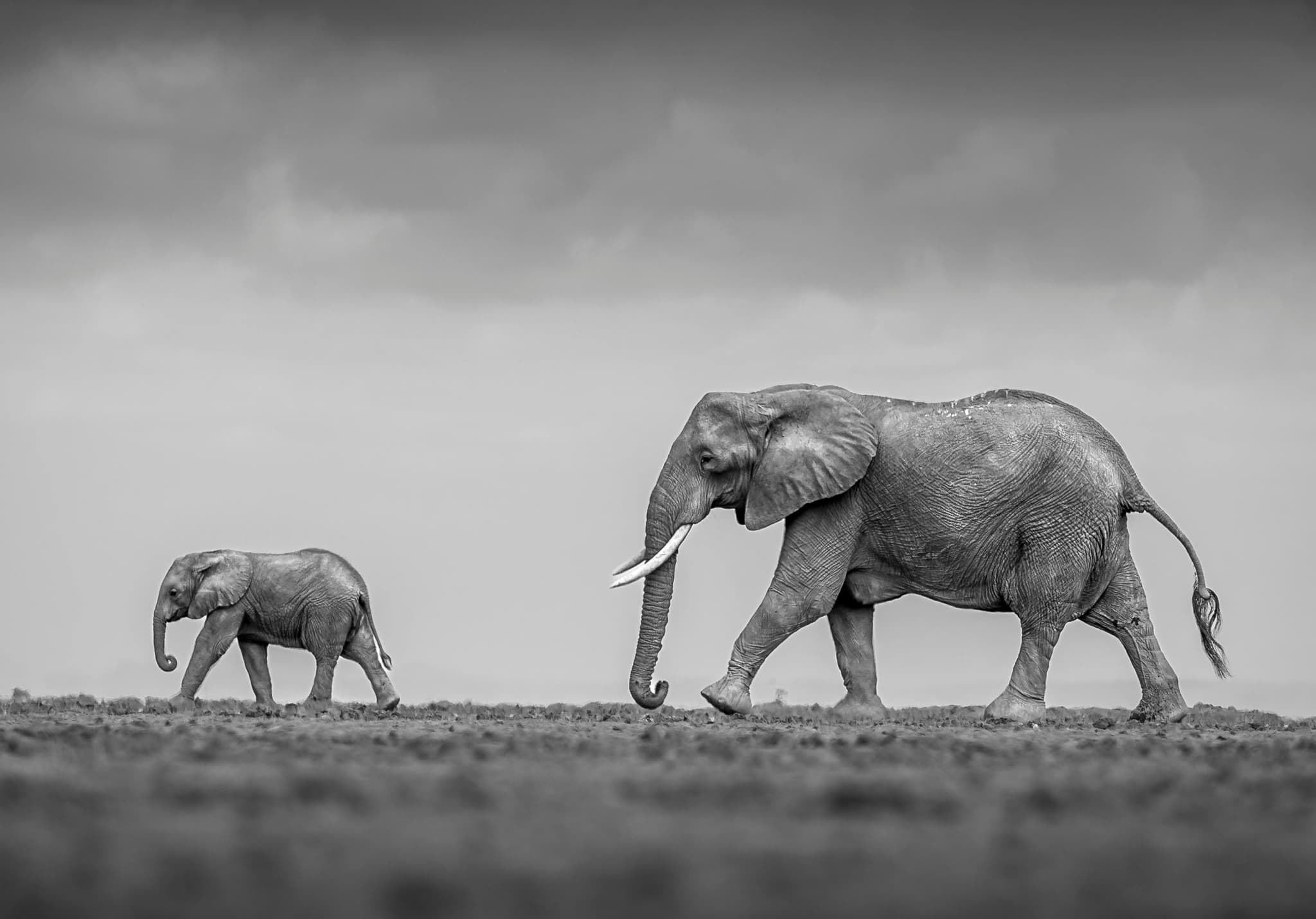
- Amboseli, Kenya — huge elephant herds, the Kilimanjaro backdrop, and a calm atmosphere that suits younger children particularly well.
- Ngorongoro Crater, Tanzania — compact, self-contained and extraordinarily wildlife-dense. The crater floor offers a concentrated and accessible game drive that works well for shorter attention spans.
- Serengeti, Tanzania — best for families with older children (10+) who can handle longer drives across a larger landscape.
Choosing the right lodge
The best family safari lodges offer children's guides and educational programmes, swimming pools, family rooms or interconnecting units, meal flexibility, and shorter dedicated children's drives. Several lodges in the Mara and Amboseli run junior ranger programmes that give children their own experience, not just a smaller version of the adult one. We always specify family-specific lodges on bookings for travelling families.
Pace and drive length
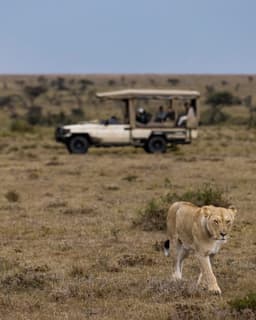
Private vehicles are significantly better for families than shared game vehicles — you set the pace, stop when you want, leave when children have had enough, and are not constrained by other passengers. For young children, morning drives of 2–3 hours work better than the standard 4-hour format. For teenagers, a longer drive is usually fine and often preferable.
Children who go on safari early tend to develop a lifelong connection to wildlife and wild places. It is, in our experience, the trip that stays with them longest.
Practical considerations
Pack children's sunscreen and insect repellent (DEET-based for malarial areas), portable entertainment for long transfers, and a fleece for cold morning drives. Yellow fever vaccination is required for Uganda; malaria prophylaxis is recommended for all children in malarial zones. Consult a travel doctor at least 6 weeks before departure.
We design family-specific itineraries that balance pace, parks and lodges to suit the ages travelling. Tell us your family's ages →
Comments
Leave a reply
Your email address will not be published. Required fields are marked *. Please keep discussions respectful — see our community guidelines.