
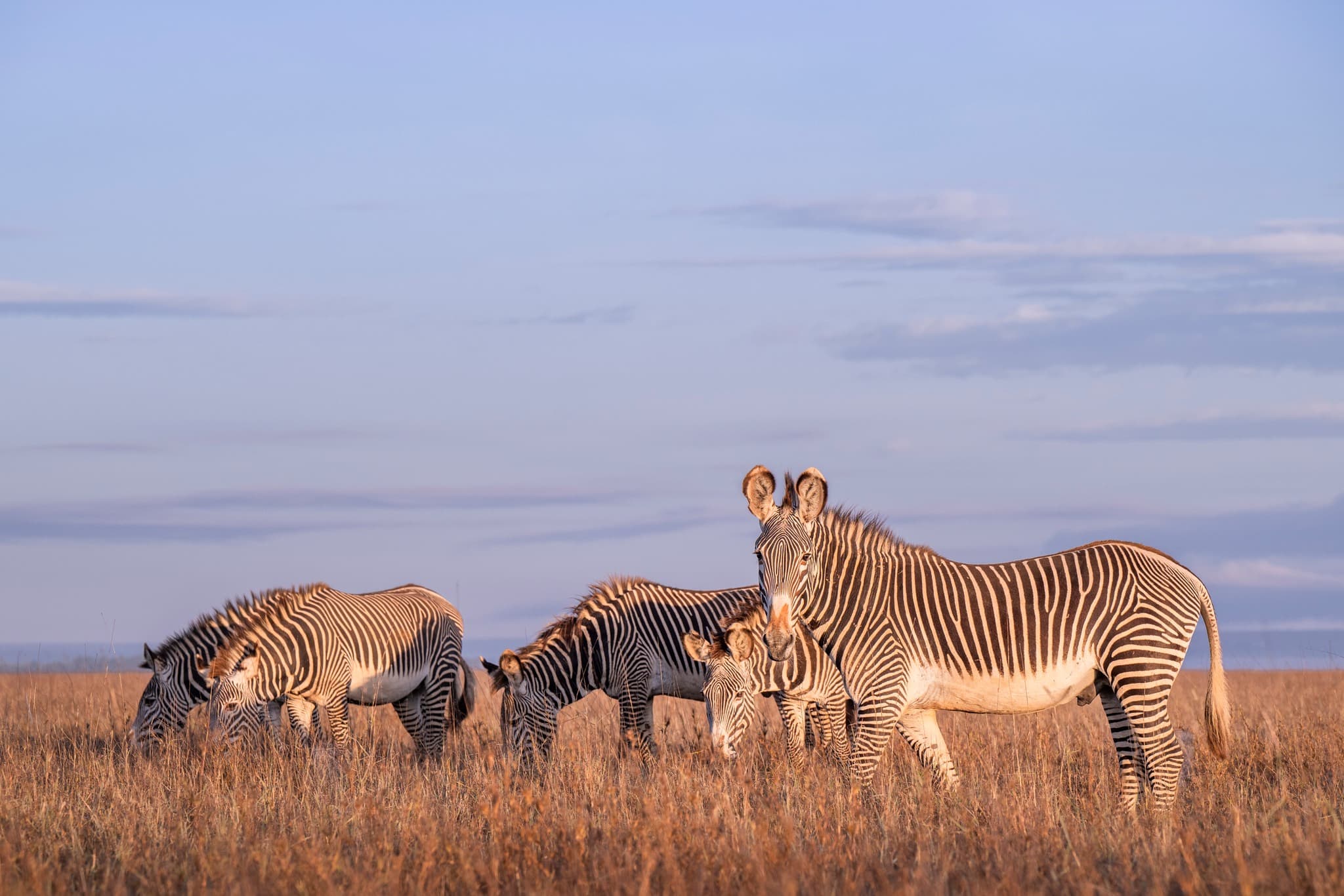

Everyone knows the river crossings. Far fewer know that the migration's most extraordinary chapter happens months earlier and hundreds of kilometres south, on the short-grass plains of Ndutu, in near-total quiet.
For a few weeks each February the herds drop calves at a rate of around eight thousand a day. The plains turn into a nursery the size of a country, and every predator within range knows the calendar as well as we do.
A wildebeest calf is on its feet within minutes of being born. In Ndutu, that is not a fact — it is a survival exam, sat in front of an audience of cheetah.
Why the green season wins
- Predator density is the highest of the year — cheetah, lion and hyena follow the calving.
- The plains are emerald and the skies are dramatic — a photographer's dream.
- Far fewer vehicles than the July–October crossings, and noticeably lower prices.
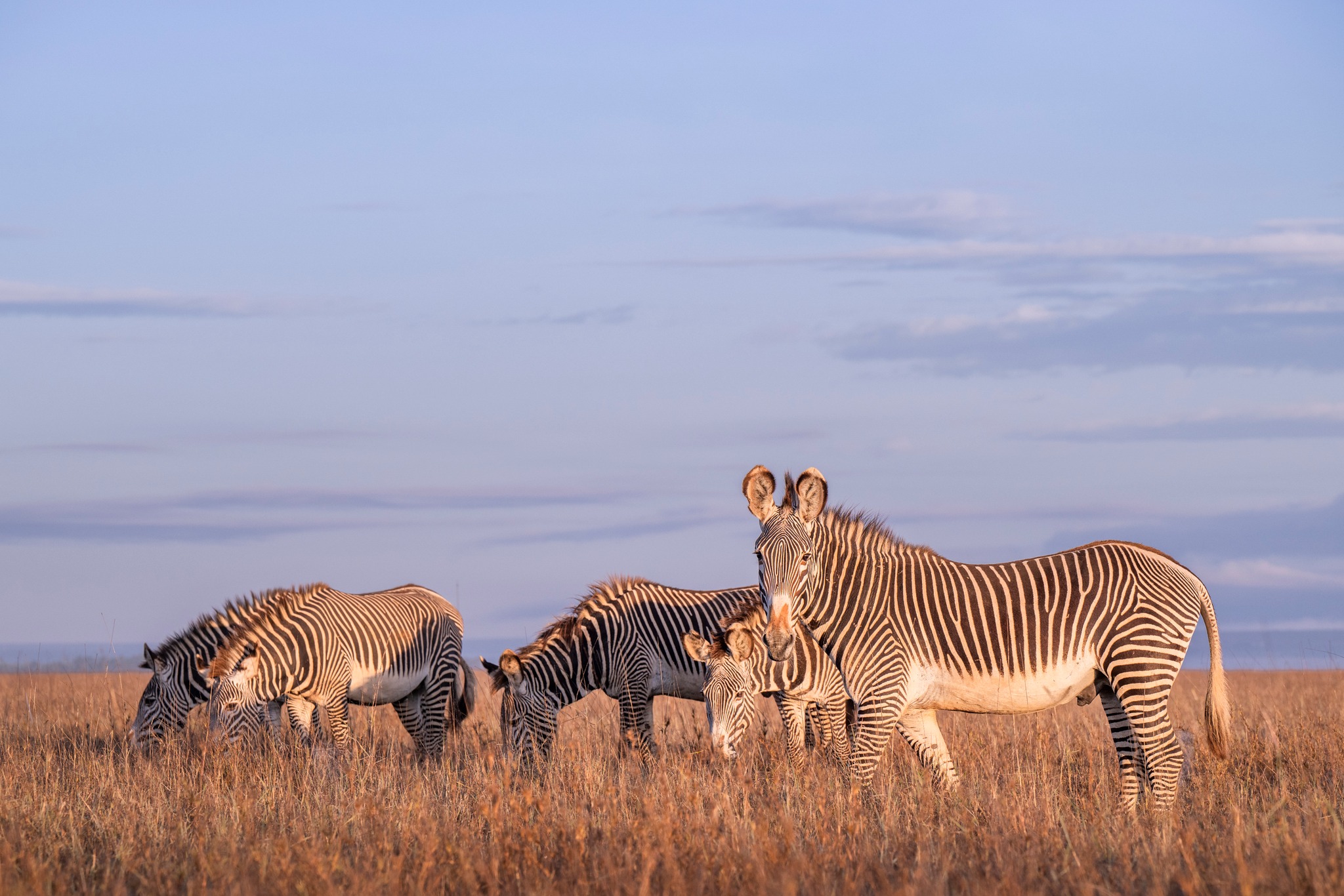
Combine it with the crater
A green-season trip pairs beautifully with Ngorongoro and Tarangire for a complete southern-circuit week. See the Tanzania trips →
Frequently asked questions
When is the calving season in Ndutu?
January to February, peaking in early February when the wildebeest drop calves at a rate of around eight thousand a day.
Comments
Leave a reply
Your email address will not be published. Required fields are marked *. Please keep discussions respectful — see our community guidelines.