
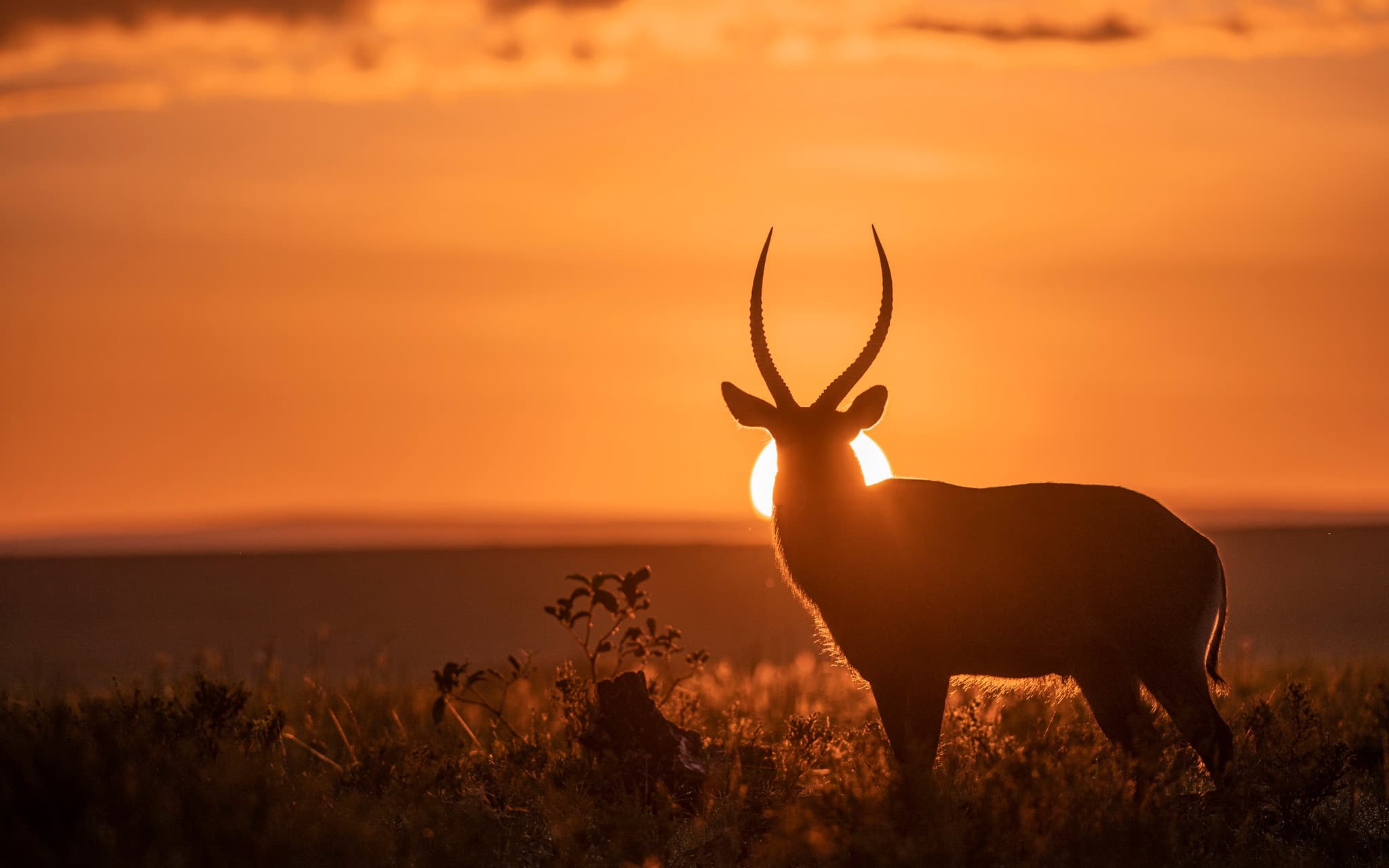

The question we are asked more than any other is "when should we come?" — and the honest answer is another question: what do you most want to see? Here is the calendar we actually use when we plan, with none of the marketing gloss.
January–March: calving in the south
Two million wildebeest gather on the short-grass plains of Ndutu and the southern Serengeti, dropping calves at a rate of around eight thousand a day. The predator action is the most concentrated of the entire year. Green, dramatic, and far less crowded than the river-crossing season.
If you want big cats and have flexible dates, February in Ndutu is the trip we book for our own families.
April–May: the long rains
Many camps close, prices fall to their lowest, and the parks empty out. The light is extraordinary and the landscapes are impossibly green. You will get wet, and a few roads turn to soup, but if you don't mind that, this is the connoisseur's season — and the best value of the year.
July–October: the river crossings
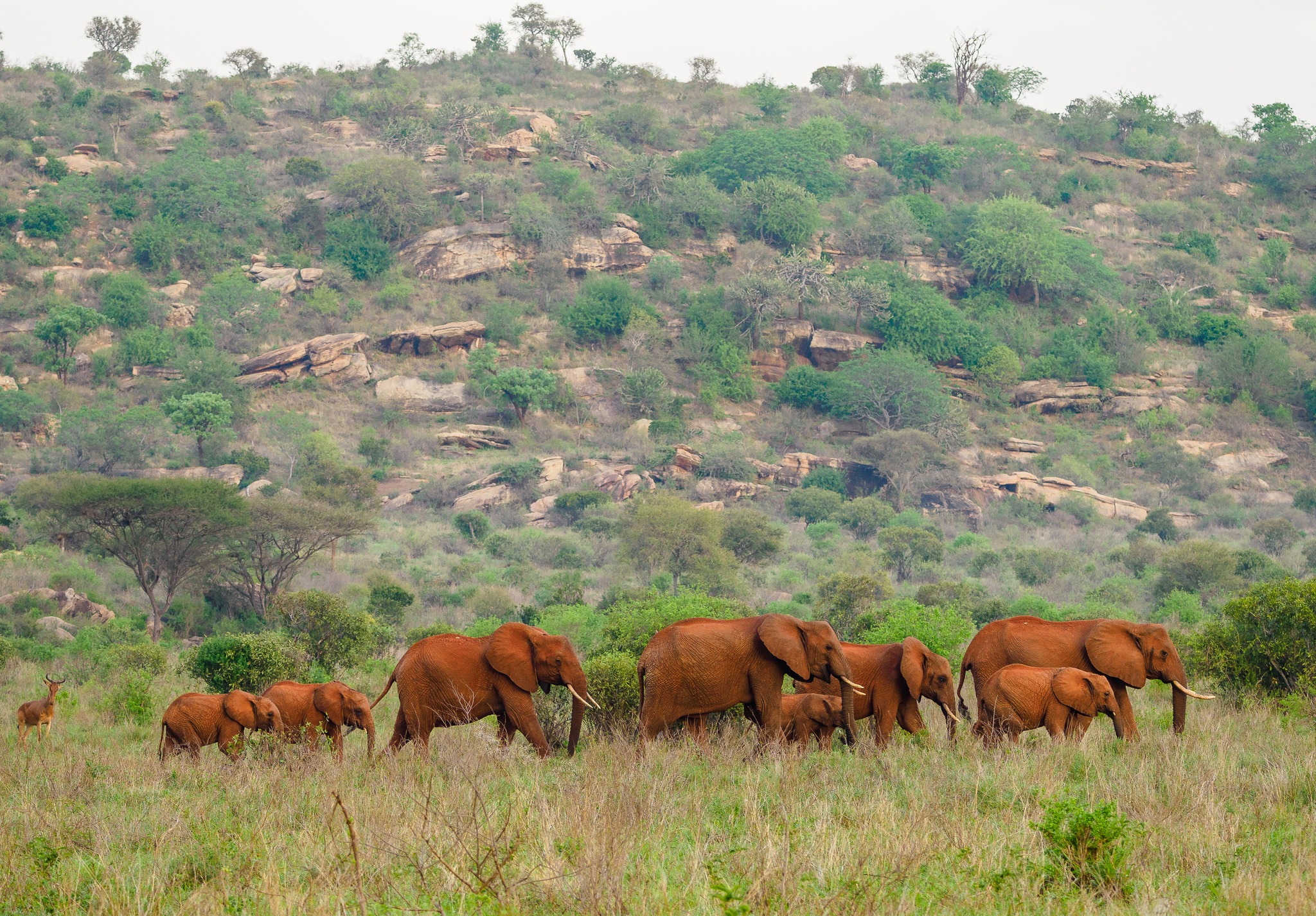
The famous season. The herds reach the Mara River and the crossings begin — chaos, crocodiles, and the single most cinematic wildlife spectacle on Earth. It is also the busiest and most expensive window, so book six to nine months ahead. We will position you on quieter crossings than the convoy of vehicles you have seen in photographs.
- July — first nervous crossings; the Mara starts to fill.
- August–September — peak crossings, peak crowds, peak drama.
- October — herds settle in the Mara; golden grass and superb cats, slightly quieter.
November–December: the short rains
Brief afternoon showers, the herds drifting back south, and a lovely lull in both crowds and prices. December in the central Serengeti, with the calving about to begin again, is a particular kind of magic — and a wonderful time for a family trip.
Let us match the month to your trip
Tell us your dates and what you most want to see and we'll tell you, honestly, whether to come then or shift by a month. Start the conversation →
Comments
Leave a reply
Your email address will not be published. Required fields are marked *. Please keep discussions respectful — see our community guidelines.