
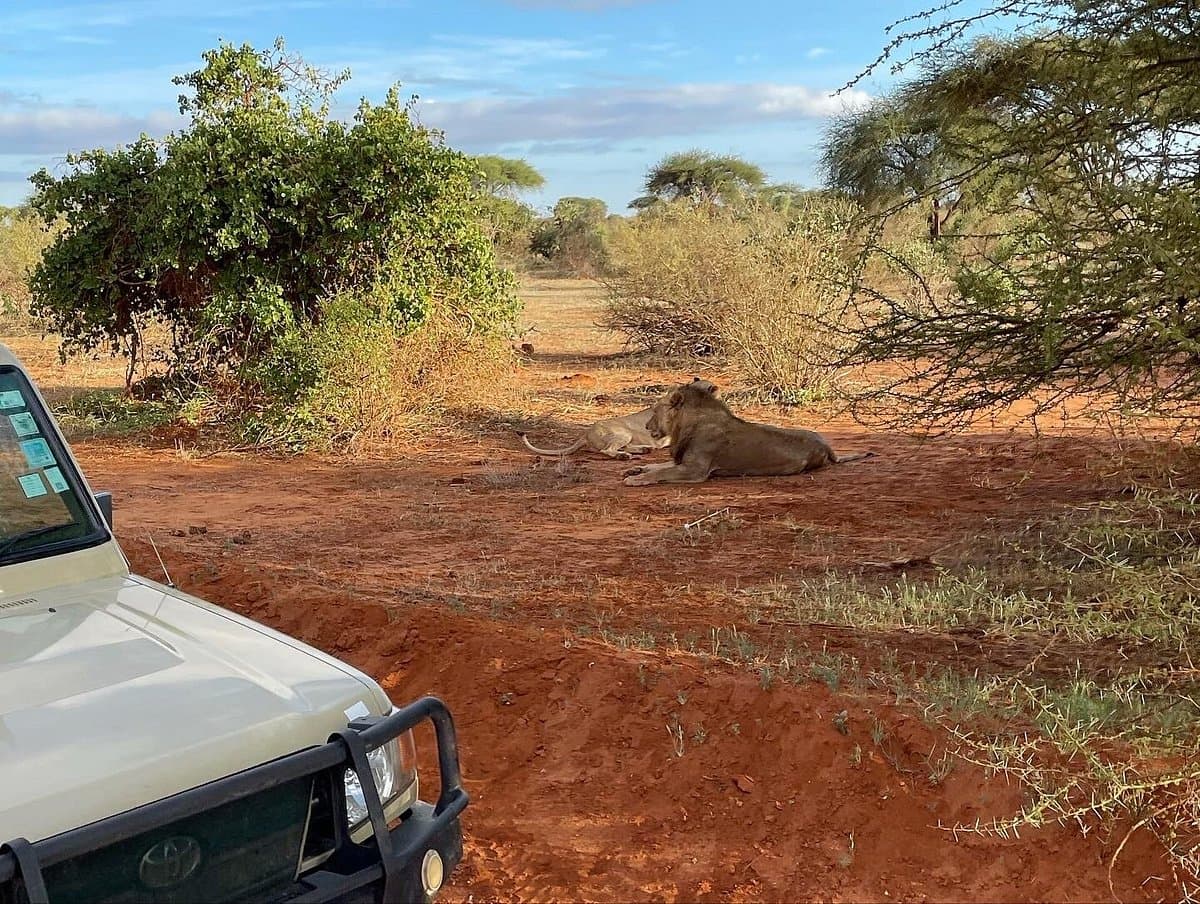

The word safari comes from the Arabic and Swahili for "journey" — and that is exactly what it is. A modern East African safari is not a zoo visit, not a theme park, and not the colonial shooting trip the word once implied. It is a journey into working ecosystems, guided by people who spend their lives in them, in vehicles designed to move quietly among animals that have grown accustomed to their presence.
What a day on safari looks like
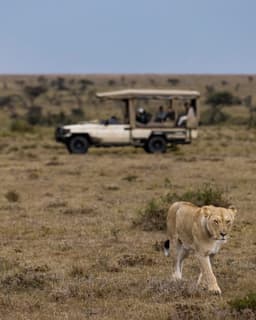
Most camps wake you before sunrise — typically around 5:30am. You eat a light breakfast, climb into an open 4x4 Land Cruiser or Land Rover, and drive into the park as the sky lightens. The first two hours after sunrise are when lions finish their night hunts, leopards move before the heat, and herds are still active on the plains. Game drives run until mid-morning, when animals rest and you return to camp for breakfast and a few quiet hours. A second drive goes out in the late afternoon in time for the golden hour before sunset. Dinner is at the camp or lodge — usually a communal table, a fire, and the sounds of the bush.
Types of safari
- Game drive safari — the standard format, in a 4x4 with a guide. Done from the vehicle, which acts as a mobile hide that animals ignore.
- Walking safari — on foot with an armed ranger. Slower, more sensory, and more intimate with the landscape than a vehicle allows.
- Boat safari — along rivers and lakes for hippo, crocodile, waterbirds and the chance to see the riverine ecosystem from water level.
- Gorilla trekking — a very different category. You hike into rainforest for potentially several hours, to spend exactly one protected hour with a wild mountain gorilla family.
Where you stay
Accommodation ranges from simple permanent tents with shared facilities (budget) to elaborate canvas-and-hardwood tented camps with private en-suite bathrooms, plunge pools and chefs cooking individually for eight guests (luxury). Mid-range lodges cover everything in between. Even at the budget end, the food is almost always good and the rooms are more comfortable than most travellers expect.
Who is safari for?
Everyone. Families bring children from seven or eight years old. Solo travellers join small shared groups. Couples celebrate honeymoons. Photographers plan dedicated photographic departures. Older travellers with limited mobility find game drives completely accessible. The pace and intensity can be adjusted for almost any fitness level, age or travel style.
The one thing all first-time safari travellers have in common: they wish they had booked longer.
We build safaris for every kind of traveller — tell us a bit about yourself and we will design something that fits. Start planning →
Comments
Leave a reply
Your email address will not be published. Required fields are marked *. Please keep discussions respectful — see our community guidelines.