
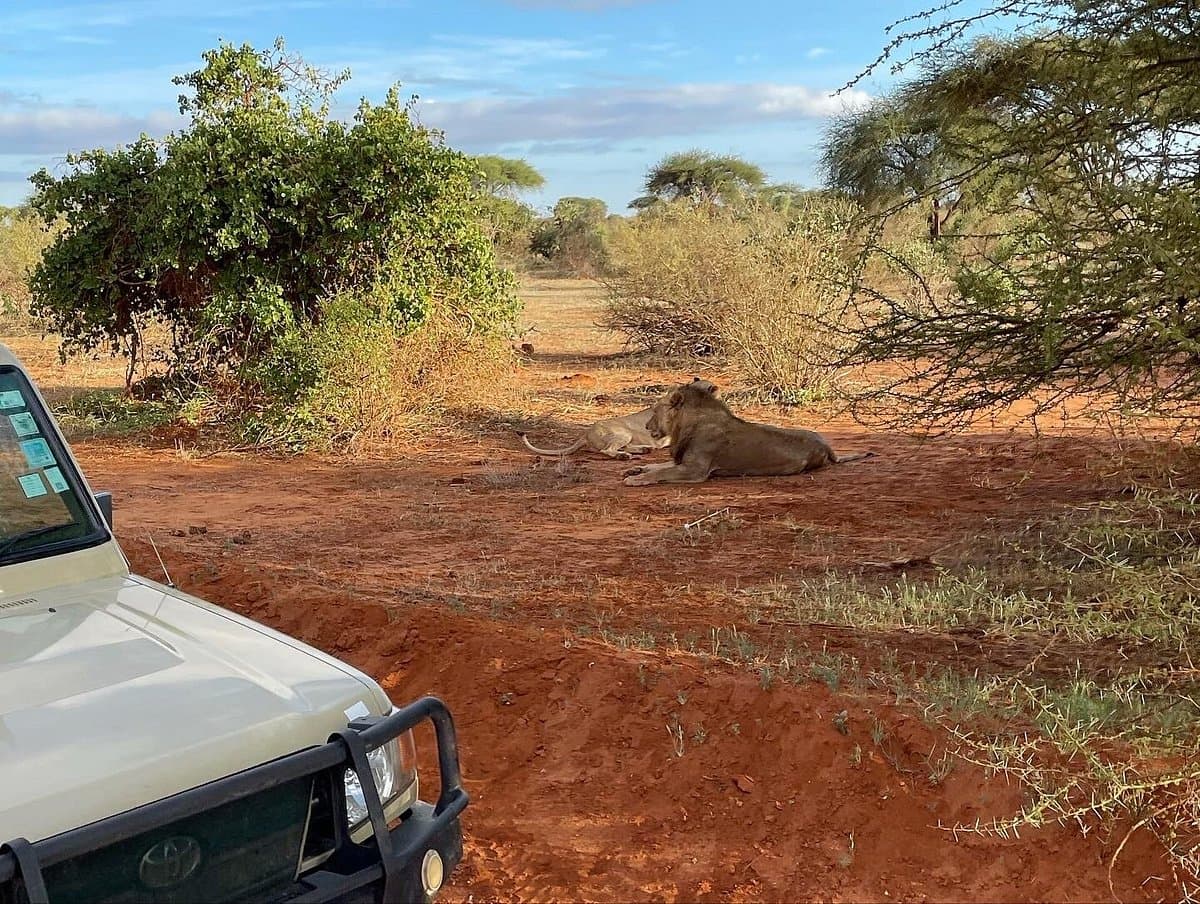

The phrase "Big Five" appears in every safari brochure and is used so routinely in East Africa tourism that it has become almost meaningless — a shorthand for "impressive animals" that glosses over what actually makes these five species significant. The origins of the term are darker than most people know, and understanding them changes the way you experience seeing these animals in the wild.
Where the term comes from
The Big Five — lion, leopard, African elephant, African buffalo and rhinoceros — were not named for their size or visual impressiveness. They were named for the difficulty of hunting them on foot. These were the five species most dangerous to approach and most likely to kill a hunter before the hunter killed them. The term originated with big-game hunters in the late nineteenth and early twentieth centuries and was adopted into the safari tourism lexicon without much examination of its origins.
I mention this not to moralise but because knowing the backstory is interesting. When you watch a buffalo herd move across the Mara plains and understand that this animal — placid-looking, bovine — kills more hunters per year than almost any other African animal, you look at it differently. Context matters.
The five, one by one
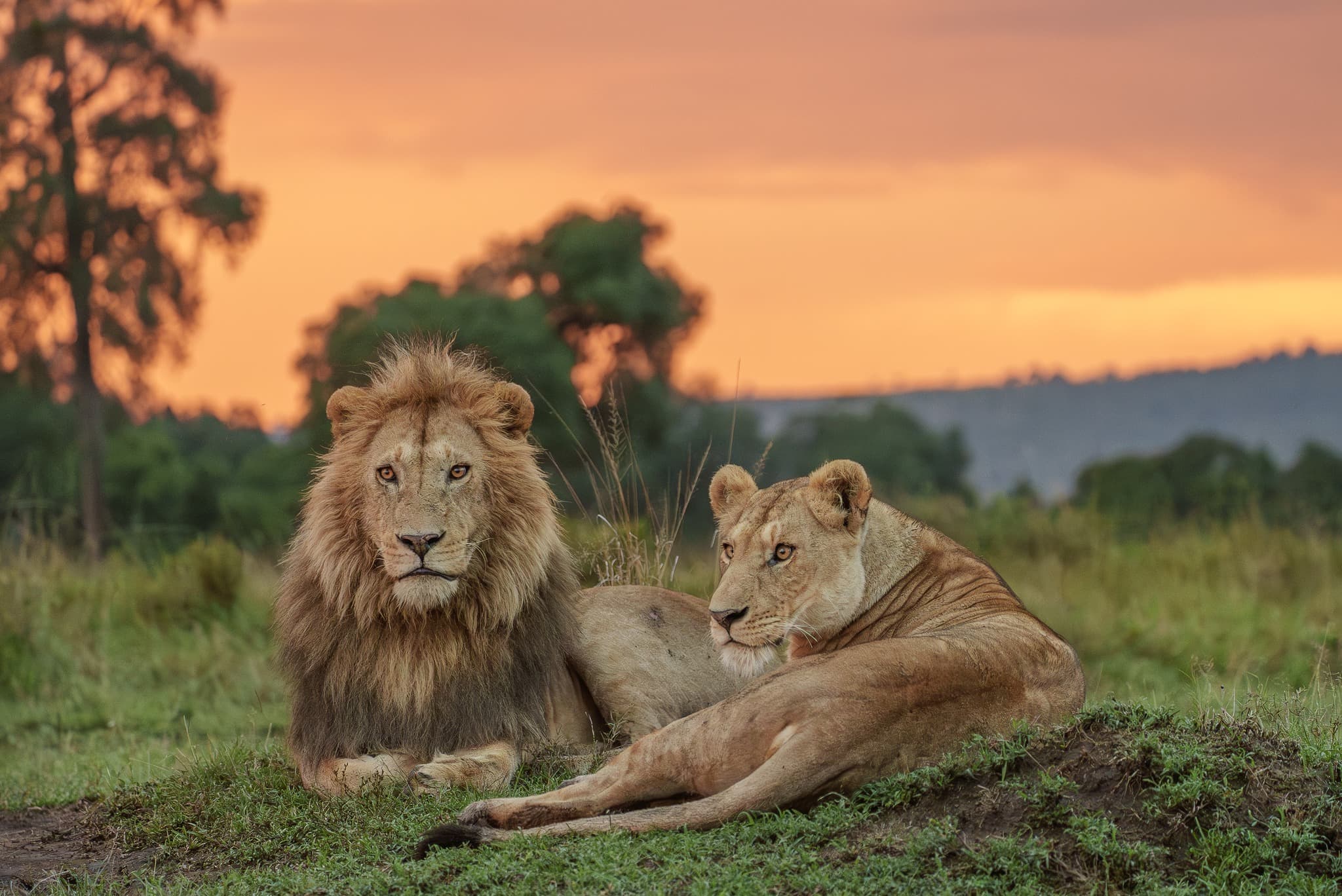
Lion
Africa's most social big cat, living in prides of 3–40 individuals. Lions spend roughly 20 hours a day resting and are most active at dawn and dusk. The Masai Mara has one of the highest lion densities in Africa; Ngorongoro Crater and the Serengeti are also excellent. Males are easier to spot — the mane is visible from a distance. Females do most of the hunting. Lion populations in Africa have declined by approximately 43% in the last 21 years.
Leopard
The most elusive of the five. Leopards are nocturnal, solitary and extraordinarily good at not being found. When seen — often in a fig tree with a kill hoisted above lions' reach, or moving through long grass at first light — the sighting is viscerally memorable. The Masai Mara, Samburu and South Luangwa are the best consistent leopard destinations in East Africa.
African elephant
The largest land animal on Earth, and in many ways the most intelligent. Elephant family groups are led by a matriarch whose memory — of water sources, migration routes, past threats — can determine the survival of the herd in drought. Amboseli has the largest unculled elephant population in East Africa and the finest elephant viewing on the continent. The great tuskers, once common, are now rare — most have been poached for ivory over the past century.
African buffalo
The most numerous of the five and, per encounter, one of the most dangerous. Buffalo move in herds of hundreds to thousands during the migration, forming a moving black mass on the Serengeti plains. Old bulls, separated from the herd and known as "dagga boys," are particularly unpredictable. Unlike the others, buffalo have no natural range reduction from hunting — they were never trophied as extensively as the rest.
Rhinoceros
The rarest of the five, and the one whose presence is a measure of a park's conservation success. East Africa has both black rhino (critically endangered, highly aggressive, browser) and white rhino (near-threatened, grazer, slightly less rare). Ol Pejeta Conservancy in Kenya is the best place to see both species. Ngorongoro Crater and Lake Nakuru also have strong populations. Every rhino you see in the wild represents a conservation battle that someone chose to fight.
Where to see all five in one trip
A Kenya safari combining the Masai Mara (lion, leopard, elephant, buffalo) with Ol Pejeta or Lake Nakuru (rhino) completes the Big Five in a single week. Ngorongoro Crater in Tanzania is the most concentrated single location for all five. In Uganda, the Big Five is harder to complete — elephant, buffalo and lion are present but rhino are only found at Ziwa Sanctuary, not in the main game parks.
The Big Five is a useful framework, but the animals themselves exceed it. The hippo that kills more people annually than any of the five. The cheetah whose speed no other land animal matches. The wild dog with the highest hunt success rate of any African predator. The list was always incomplete.
We design safaris to maximise Big Five sightings — and to go well beyond them. See the Kenya packages →

Comments
Leave a reply
Your email address will not be published. Required fields are marked *. Please keep discussions respectful — see our community guidelines.