
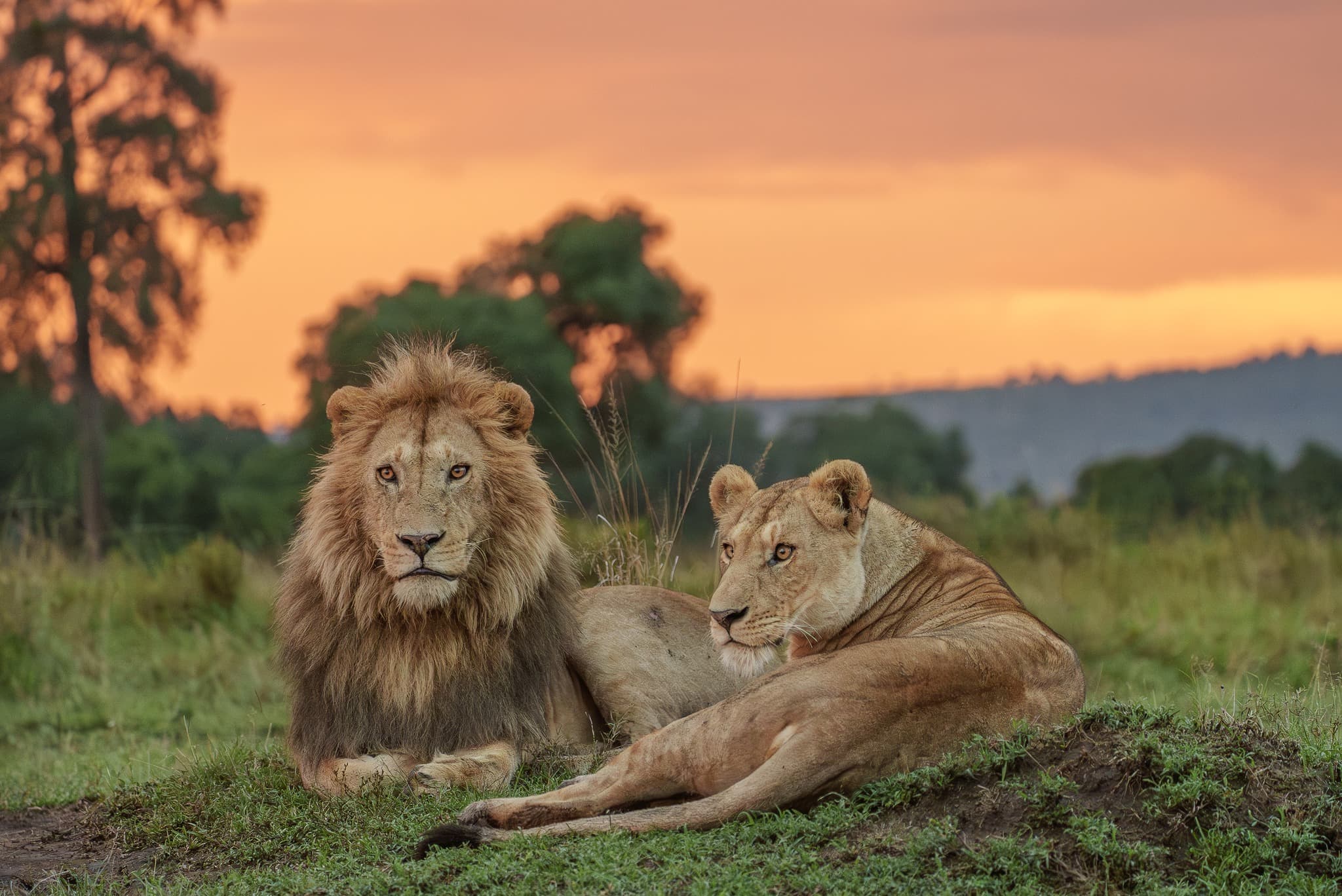

The best wildlife photograph on any given morning is rarely a question of the camera. It is a question of position — of being on the right side of the animal, with the sun behind you and the vehicle switched off, before anyone else arrives.
Kit that actually matters
- A beanbag beats a tripod every time inside a vehicle — drape it over the window frame and rest the lens.
- One long lens (a 100–400mm is plenty) and one wide for landscapes. You will not miss the rest.
- Fast memory cards and spare batteries. The cold dawns drain them quicker than you expect.
- Switch the engine off before you shoot — the vibration is the silent killer of sharp frames.
Position is everything. A 600mm lens on the wrong side of the light will lose to a phone on the right side.
Working with your guide
On our photographic trips the guide is your second photographer. Tell them what you want — low angle, backlight, a clean background — and they will reposition the vehicle for it. The single biggest upgrade to your images is simply asking.
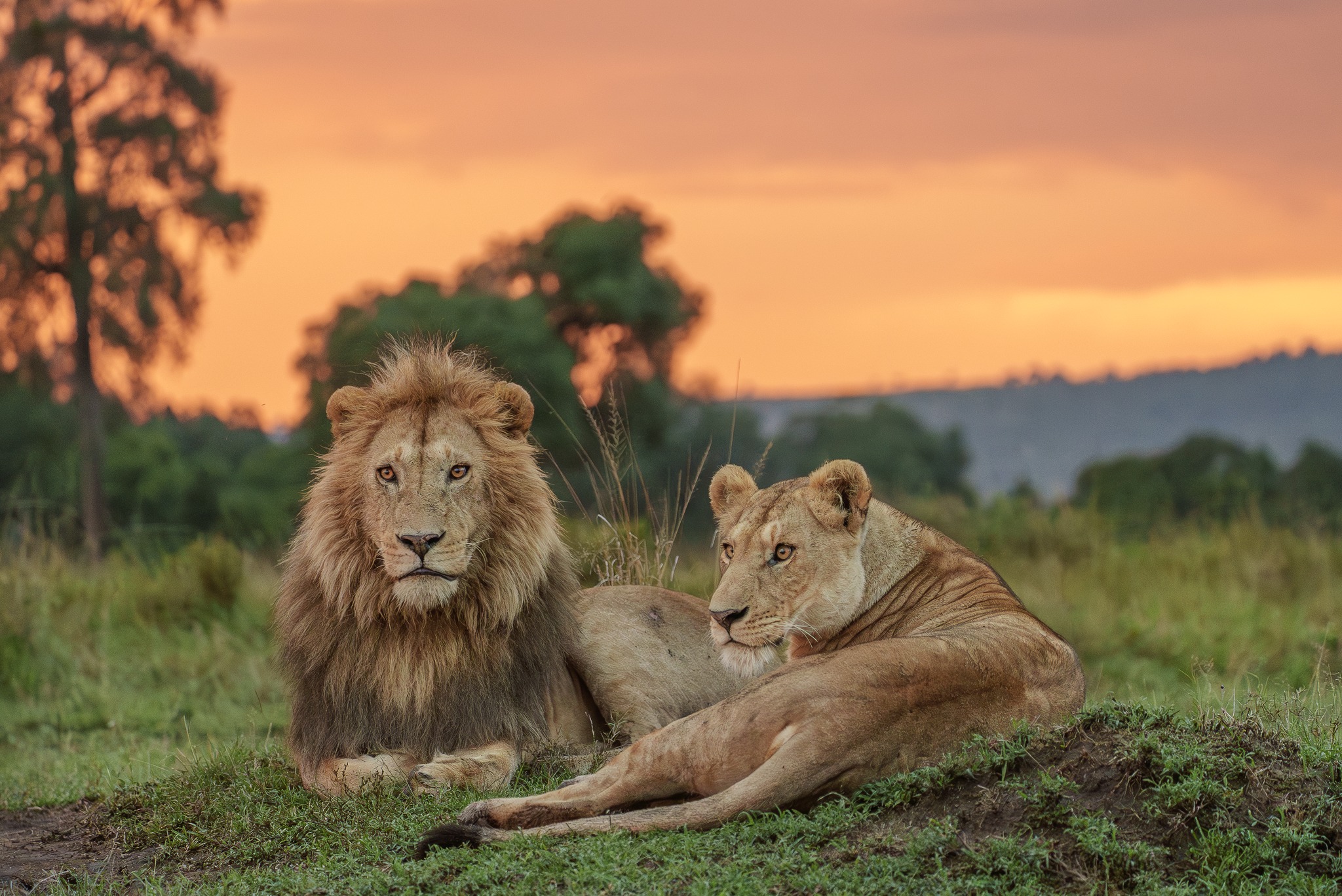
Our specialist photographic safaris
Private vehicle, guaranteed window seats, a guide who shoots, and routes built around light. See the photography trips →
Frequently asked questions
What is the best camera for a safari?
Any camera with a zoom lens (100–400mm) will capture excellent wildlife shots. Phone cameras have improved but still benefit from optical zoom.
Comments
Leave a reply
Your email address will not be published. Required fields are marked *. Please keep discussions respectful — see our community guidelines.